
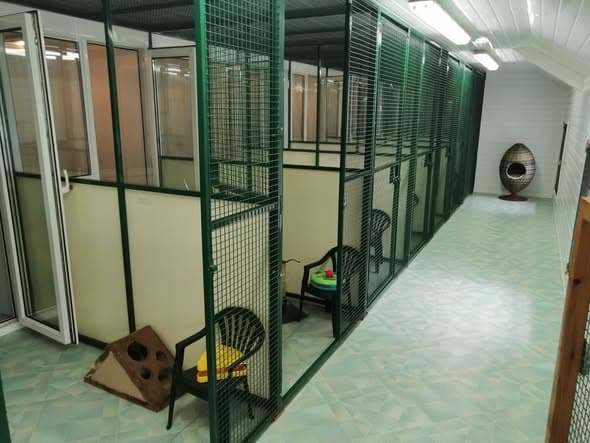
Vaccination requirements are one of the first questions almost every new customer asks, and for good reason: a cattery is a shared environment, and keeping every guest properly protected is how we keep it a safe, healthy place for all the cats in our care, not just yours. Here’s a straightforward explanation of what’s required and why.
What we require at Crookedstone House & Cattery
[CONFIRM: exact vaccination requirements, e.g. up-to-date Feline Herpesvirus, Calicivirus and Panleukopenia (F3) vaccination, certificate required at drop-off] We ask every owner to bring proof of vaccination, either a vaccination card from your vet or a printed record, to drop-off. If you’re at all unsure whether your cat’s current vaccination status meets our requirements, contact us before booking and we’ll talk you through it, or check with your own vet directly.
Why catteries ask for this
Unlike a solitary house cat, a cat staying in a cattery is in reasonably close proximity to other cats it doesn’t live with, even where every cat has its own private pen. Feline respiratory viruses and other common feline illnesses can spread through shared air space, shared equipment, or even on staff hands and clothing between pens if hygiene isn’t strict. Requiring up-to-date vaccination from every cat that stays with us is the single biggest thing we do to protect the health of every guest, including yours. It’s not paperwork for its own sake.
The core vaccinations typically covered
Most UK vets vaccinate cats against a core combination often referred to as F3 (sometimes F4 or FVRCP depending on your vet’s terminology), which typically protects against:
- Feline Herpesvirus (FHV-1): a major cause of cat flu, highly contagious between cats in close proximity
- Feline Calicivirus (FCV): another common cause of respiratory illness and mouth ulceration in cats
- Feline Panleukopenia (FPV): also known as feline infectious enteritis, a serious and potentially fatal viral illness
Some vets also recommend vaccination against Feline Leukaemia Virus (FeLV), particularly for cats that go outdoors or have contact with unfamiliar cats. If you’re unsure whether this applies to your cat, ask your vet, or get in touch and we can talk it through.
Timing matters: don’t leave it to the last minute
A first vaccination course, or a booster given after a long gap, doesn’t give full protection immediately. Most vets advise allowing one to two weeks after the final injection in a course before the immunity is fully established. If you’re booking a cattery stay and know your cat is due a booster, contact your vet as soon as you know your travel dates rather than waiting until the week before. This is especially important around school holidays and summer, when vet appointment slots can also book up quickly. See our related article on why summer cattery dates fill up fast, since the same logic applies to vet bookings.
Kittens and vaccination schedules
If you’re boarding a kitten, be aware that the full primary vaccination course is usually given as two injections a few weeks apart, starting from around eight to nine weeks old, with full protection not established until after the second dose plus the follow-up period. If your kitten hasn’t yet completed this course, please check with us and your vet before booking, since we may not be able to accept a kitten whose vaccination course is still incomplete.
What to bring as proof
A vaccination card or certificate from your vet, showing the vaccine type, the date given, and (ideally) your vet practice’s details, is the simplest way to confirm status at drop-off. If you’ve lost your card, most vet practices can print a replacement record from your cat’s file. It’s worth requesting this in good time rather than discovering it missing on drop-off day.
What happens if vaccination isn’t up to date
We’re not able to accept cats without confirmed, current vaccination, for the safety of every cat in our care, including yours. If your cat’s vaccination has lapsed, the best first step is a call to your vet to book a booster as soon as possible, allowing time for it to take full effect before your travel date. We’re always happy to help you plan the timing around your booking if you get in touch early.
If you have any doubt at all about your cat’s vaccination status, the simplest thing is to ask your vet directly, then let us know before you book. It’s a small piece of preparation that makes a real difference to how safe and settled every cat is during their stay, yours included.
Ready to book your cat's stay?
Get in touch to check availability and book a pen for your cat.
Contact Us